
Healthcare Security Can't Just Be a Line Item Anymore. It Has to Be a Program.
Most healthcare organizations don't have a security problem. They have a fragmentation problem. A risk assessment from three years ago, a training module nobody remembers taking, and a survey binder that gets dusted off the week before a Joint Commission or DNV visit. Individually, none of that is wrong. Together, it's not a program. It's a collection of artifacts.
That gap is what Strategos International built its new consulting line to close. Instead of treating consulting, education, and accreditation readiness as separate services sold by separate vendors, we deliver them as a single, connected line of work because, in practice, that is how they function inside a hospital.

Consulting: Find What's Actually Broken
Every engagement starts with an honest look at physical security posture, including access control, behavioral health unit design, parking and perimeter exposure, and workplace violence trends by unit and shift. Our team has sat in the director's chair at major health systems, so the assessments we produce are built to hold up in an actual nursing unit at 2 a.m., not just in a conference room presentation.

Education: Equip the People Who Carry the Risk
An assessment that never reaches the bedside changes nothing. That is why our education work includes the S.A.F.E. Approach, a tiered de-escalation curriculum already used by thousands of clinical staff nationwide, alongside targeted training for security teams and front-line leadership. Workplace violence in healthcare is not a rare edge-case event. For most ICUs and EDs, it is a Tuesday morning. Staff deserve training that reflects that reality, not a once-a-year compliance video.

Accreditation: Make Readiness a Constant, Not a Scramble
TJC, DNV, and CMS surveyors are asking sharper questions about security every cycle, covering risk assessments, training documentation, incident response, and environment-of-care requirements. We help administrators, risk managers, and compliance officers build accreditation readiness into the operating rhythm of the security program so that the answer to "show me" is never a scramble.
Why It Has to Be One Line, Not Three
A consulting recommendation that never becomes training is a binder. Training that is not reflected in survey-ready documentation is a liability gap. Accreditation prep without a real assessment behind it is theater. The organizations that handle this well treat all three as one accountability loop:
Assess the real exposure, not the assumed one
Train the people closest to the risk
Document it in a way that holds up under survey
That is the loop our new consulting line is built around.
Where to Start
If your hospital or health system is approaching a survey cycle, revisiting its workplace violence prevention plan, or simply has not had a fresh set of eyes on physical security in a while, that is the right moment to talk. Strategos International works alongside hospital executives and clinical leadership to strengthen safety culture and regulatory compliance, not as an outside vendor dropping in a report, but as a partner accountable for the outcome.
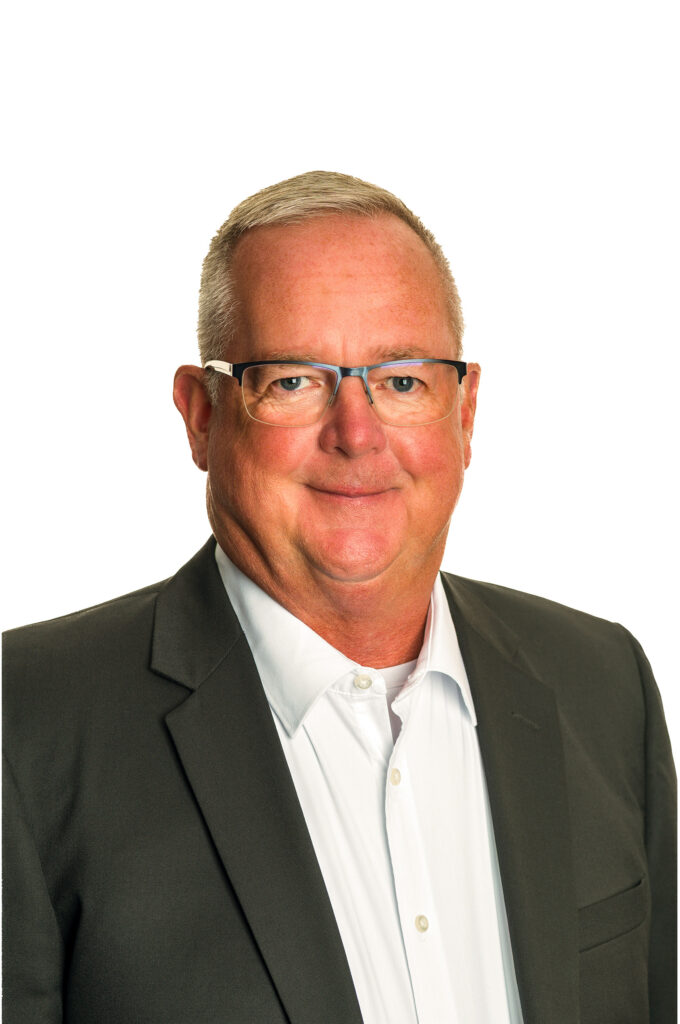
Doug Monroe, CPP, CHPA, CHSP
Director of Healthcare Security, Strategos International


Comments